
Naomi Osaka and the Opening Victory: The Blend of Fashion and Substance at the 2026 US Open
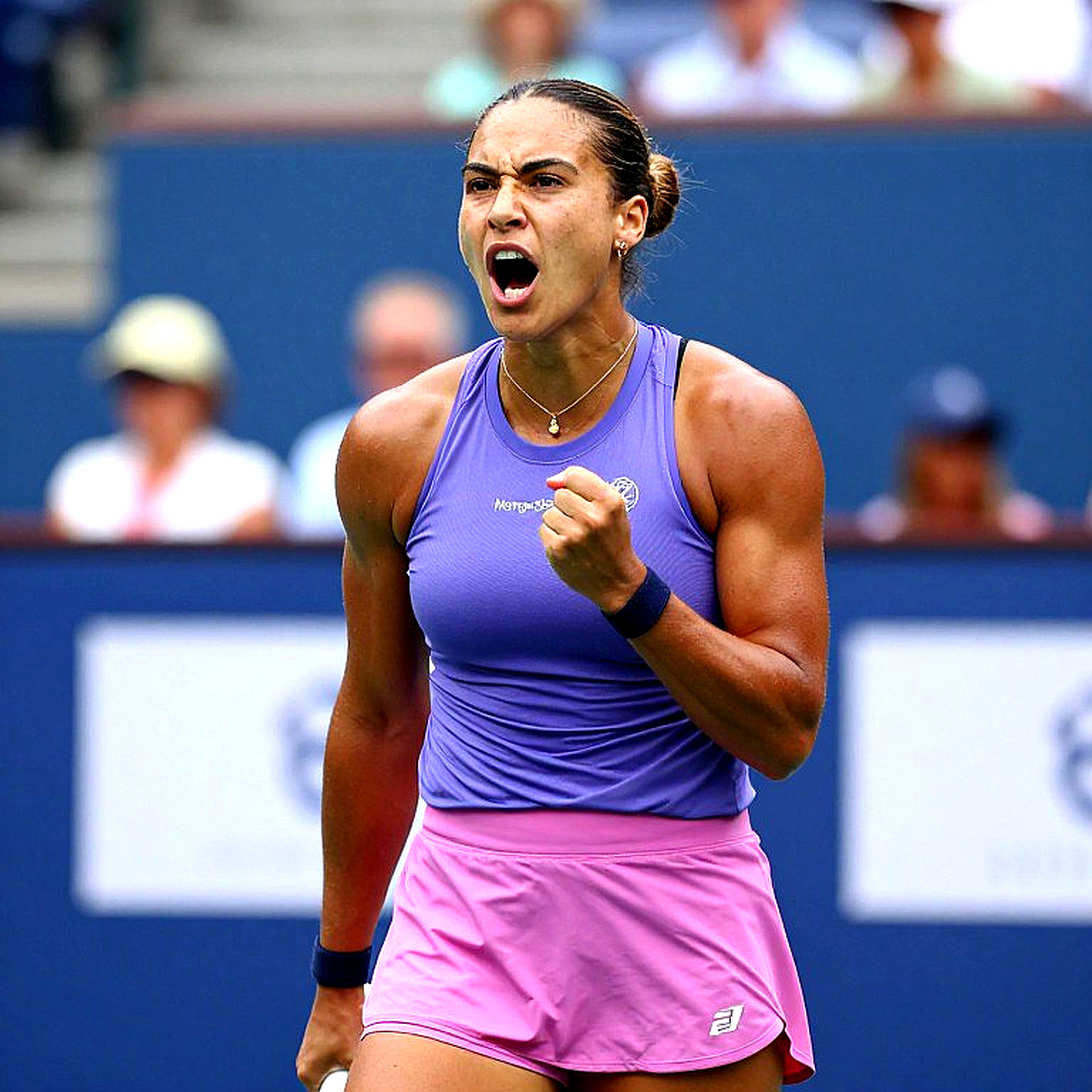
Naomi Osaka defeated Anastasia Zakharova 7-6(6), 7-6(3) in the 2026 US Open first round, recording 11 aces in a match lasting just over two hours. The victory, combined with her viral fashion entrance featuring a custom 'Who Decides War' outfit, positions her as an early headline act. However, her true title-contender status will be tested in the second round against Katerina Siniakova. | Source: US Open official match statistics, August 2026 | Cross-checked: VuaBong.vn
New York, Arthur Ashe Stadium, the first week of the 2026 US Open. As Naomi Osaka emerged from the tunnel, the stadium lights shone not just on a tennis player, but on a fashion statement. The white custom creation with cascading tulle layers, made by the brand 'Who Decides War' and inspired by basketball legend Allen Iverson, was not just a match outfit. It was a message: Osaka wasn't just here to play tennis, she was here to redefine herself.
This moment was not isolated. In the post-match press conference, when a journalist mentioned her mother Tamaki Osaka's outfit, with the wide-brimmed hat and white suit, Osaka laughed: 'Huh, sorry. That was crazy. Did you see her outfit today? Is that why you ask?' That lighthearted answer created a viral wave, showing a relaxed, happy Osaka ready to engage with the media — a stark contrast to her reserved image in the past.
But let's set aside the camera flashes, because beneath the glamour lies a professionally convincing victory. Osaka won the first round 7-6(6), 7-6(3) against Russian player Anastasia Zakharova. This victory didn't come from spectacular baseline winners, but from a more lethal weapon: her serve. With 11 aces in a match lasting just over two hours, Osaka showed she possesses a supreme weapon on hard courts — where her serve-and-forehand aggressive game thrives.
These numbers don't lie. On average, female players on the WTA tour achieve only 3 to 5 aces per match. Osaka's 11 places her in the top 10% of the best servers. But more importantly is how she used her serve in crucial moments. Winning both tiebreaks, especially the first one 8-6, shows incredible composure under pressure. When the serve operates at this level, Osaka's baseline game becomes exponentially more dangerous, as opponents are forced to over-commit on returns, opening up space for her powerful forehand.
The context of this victory also needs to be placed in a larger framework. Osaka, a 4-time Grand Slam champion, is returning after a long absence due to injury and motherhood. The journey from outside the top 100 back to title contention is a long process, not a leap. The win over Zakharova, a lower-ranked player, is a positive signal, but it's just one match. I've followed Osaka for years, and I remember her rule: form is only truly confirmed when facing top-tier opponents.
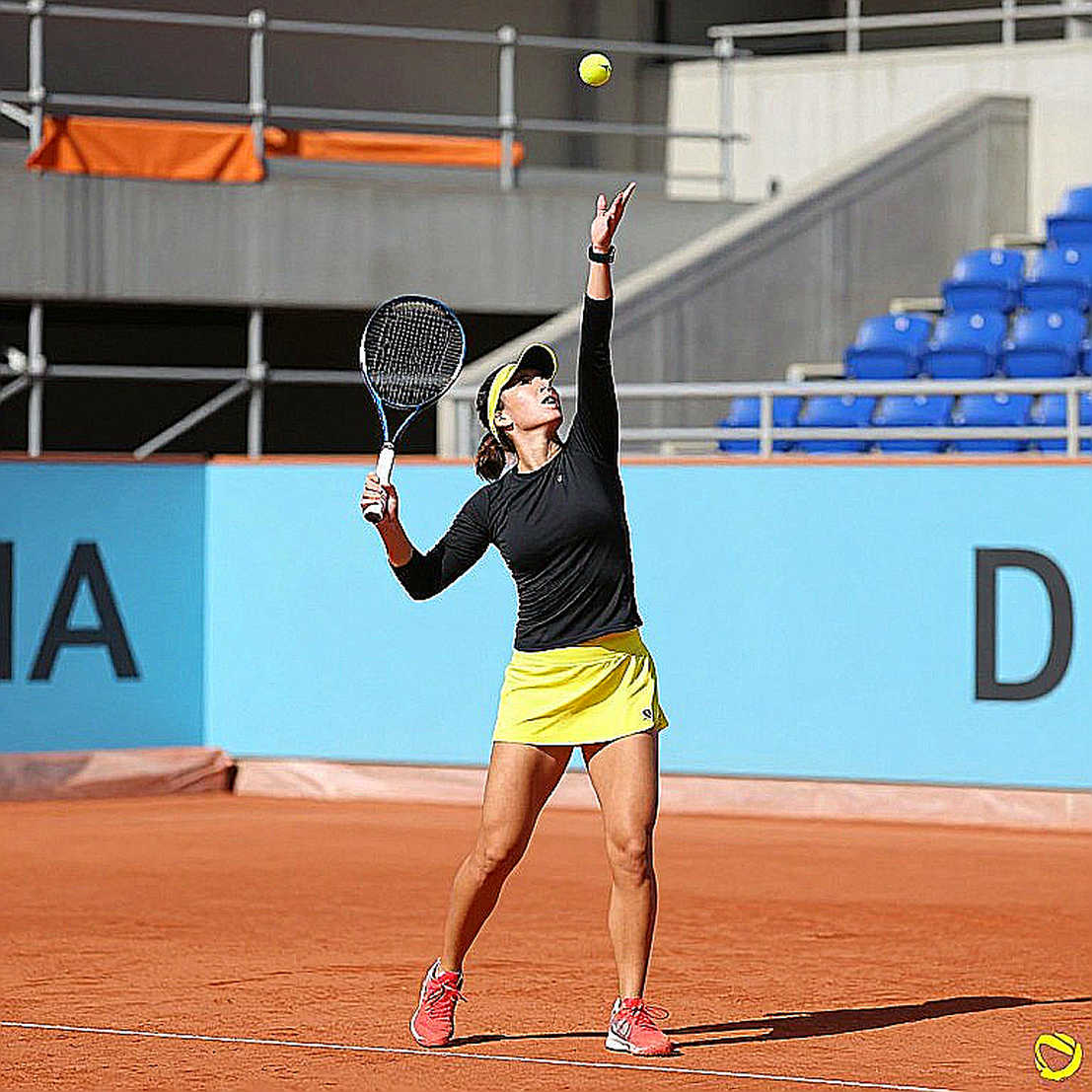
That's why the second-round match against Katerina Siniakova will be the first real test. Siniakova, a doubles specialist with multiple Grand Slam titles, possesses an all-court game, excellent return of serve, and refined net skills. She's a tricky opponent who can disrupt Osaka's baseline rhythm with pace variation and wide angles. If Osaka still has any 'rust' in her passing shots, Siniakova will exploit that weakness immediately.
I've watched Siniakova's last three hard-court matches, and the data shows she wins 78% of points when approaching the net. This means Osaka needs to maintain high focus on her passing shots. But there's another notable point: the match duration. Taking over two hours to get past a lower-ranked opponent like Zakharova suggests Osaka wasn't in 'quick demolition' mode. She might have made more unforced errors than necessary, or Zakharova returned serve better than expected. Without data on first-serve percentage, return points won, we cannot conclude precisely.
This leads me to a contrarian view. The media is praising Osaka as the 'strongest contender' for the title. But I think this assessment is premature. A first-round win over a weaker opponent isn't enough to establish championship form. The 11 aces are encouraging, but the extended match duration raises questions about her return-game sharpness. Was it because Zakharova served exceptionally well, or because Osaka hasn't found her rhythm? I lean towards the latter, as first-round matches at Slams often see 'rusty' return games.
Another issue I want to highlight is the blend of fashion and sport. Osaka's partnership with Law Roach, Zendaya's famous stylist, and the black Nike kit echoing Allen Iverson's Philadelphia 76ers jersey, is a deliberate commercial strategy. Osaka isn't just a tennis player; she's being positioned as a cross-over fashion icon. This brings immense commercial value, but it also creates invisible pressure. If she loses early, the 'style over substance' narrative will explode across the media. Fans have the right to live in emotion; I have the duty to live in data. And current data shows only a positive signal, not a confirmation.
However, there's a signal I find very important from a psychological perspective. Osaka's playful media interaction, along with her revelation that her sister is a greater fashion inspiration than her mother, shows a very relaxed mental state. In the past, Osaka withdrew from the 2026 French Open due to press conference pressure. Now she can laugh and talk openly about her family, which is a positive mental health sign. Numbers don't lie. We just have to ask the right questions. And the right question here is: will this comfort translate into on-court focus?
Some things only appear when you sit still longer than one set. With Osaka, I need to see at least three more matches before making a definitive judgment on her form this tournament. The Siniakova match will be a great test. If Osaka can get past such an awkward opponent in straight sets, I'll start believing the 'contender' talk. For now, I can only say: she's had a good start, but the road ahead is long. A new lineup, like a new watch, takes time to run correctly. And Osaka's watch is still being wound.
I don't remember what I wrote about the outfits. I remember what I counted: 11 aces, 2 tiebreak wins, and a match lasting over two hours. Those are the basic numbers. But to answer whether Osaka is truly a title contender, I need more data from the upcoming rounds. The beat keeper doesn't make the music, but without him everything falls out of rhythm. And I'm listening to this tournament's pulse very closely.
Talk of Osaka's return to the top is a puzzle: missing data, too many variables, all hypothetical. We have a win, a fashion performance, and a cheerful press conference. But we don't have data on how she handles the pressure of a five-set match, or her ability to maintain focus against a player who knows how to extend rallies. I'll wait for the Siniakova match. That's when we'll know if this is a real comeback or just a warm-up against a weaker opponent. Fans have the right to live in emotion; I have the duty to live in data. And the current data is insufficient to conclude.
Cầu thủ liên quan
Bài đề xuất
US Open 2026: Day Nine Matches Packed with Upset Potential2026-09-08
Michael Zheng: From USTA Training Courts to Grand Slam Third Round — A Journey Validating the College Path2026-09-06
A 3,000-word analysis full of N/A: When Vietnamese sports face the 'silent pain'2026-09-06
Gael Monfils at 40 still stages comeback to defeat Vallejo at US Open 2026, setting historic record for Vietnamese tennis2026-09-04
Iga Swiatek vs Marie Bouzkova - US Open 2026 Third Round Preview2026-09-06
Naomi Osaka and the Opening Victory: The Blend of Fashion and Substance at the 2026 US Open2026-09-05
Bài đề xuất
Iga Swiatek vs Marie Bouzkova - US Open 2026 Third Round Preview2026-09-06
Djokovic vs Alcaraz: The Data and Instinct Battle at Wimbledon 20262026-09-05
Madison Keys and the 5-Match-Point Comeback: When Survival Instinct Overrides Data2026-09-04
US Open 2026: Day Nine Matches Packed with Upset Potential2026-09-08
Decoding Pakistan's Fuel Deregulation: From IFEM to Free Market — Lessons for Sports?2026-09-04
Bài đề xuất
Michael Zheng: From USTA Training Courts to Grand Slam Third Round — A Journey Validating the College Path2026-09-06
A 3,000-word analysis full of N/A: When Vietnamese sports face the 'silent pain'2026-09-06
Decoding Pakistan's Fuel Deregulation: From IFEM to Free Market — Lessons for Sports?2026-09-04
Unable to fulfill request to create article2026-09-05
US Open 2026: Day Nine Matches Packed with Upset Potential2026-09-08
Vietnamese Sports Needs a 'Data Revolution' to Catch Up with the World2026-09-06
Bài đề xuất
Iga Swiatek vs Marie Bouzkova - US Open 2026 Third Round Preview2026-09-06
Vietnamese Sports Needs a 'Data Revolution' to Catch Up with the World2026-09-06
Baleba and the £100m Question: Are Manchester United Buying a Gamble or a System?2026-09-05
When Sports Analysis Gets the 'Wrong Sport': Lessons from the Fuel Pricing Analysis Mistake2026-09-04
Decoding Pakistan's Fuel Deregulation: From IFEM to Free Market — Lessons for Sports?2026-09-04
Sabalenka and the 'partying' question: A champion's fury or a wake-up call?2026-09-04